
Not a timer. Not a blocker.
Half your focus time is leaking — and you can’t feel it.
Research puts mind-wandering at 47% of waking hours. Focus Zen watches your attention through your webcam and pulls you back within seconds of drifting — so a 2-hour session actually produces 2 hours of work.
Free · No signup · Camera stays in your browser
Sound Familiar?
You’re not alone. This is what working blind to your own attention looks like.
Students
"Studying for exams with 20 browser tabs open"
- •Re-reading the same paragraph 5 times
- •Cramming because focus sessions fall apart
Remote Workers
"Working from home with constant distractions"
- •Slack pings every 3 minutes
- •Ending the day wondering where it went
Freelancers
"Juggling multiple clients and deadlines"
- •Task-switching killing your momentum
- •Working late to make up for lost focus
It’s not a discipline problem. It’s a focus visibility problem.
You can’t fix what you can’t see.
How it works
From webcam to focus coach in under a minute.
01Calibrate
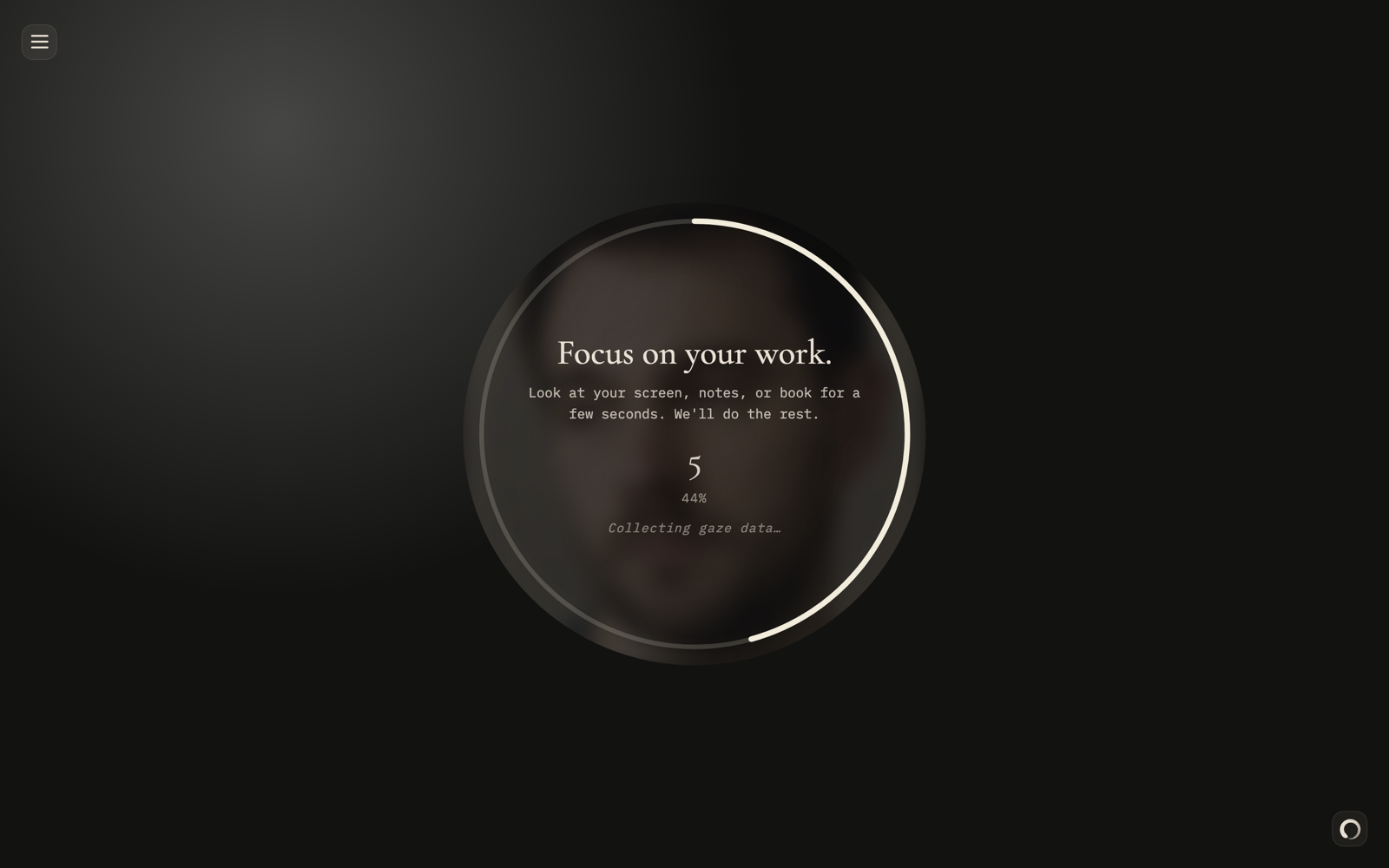
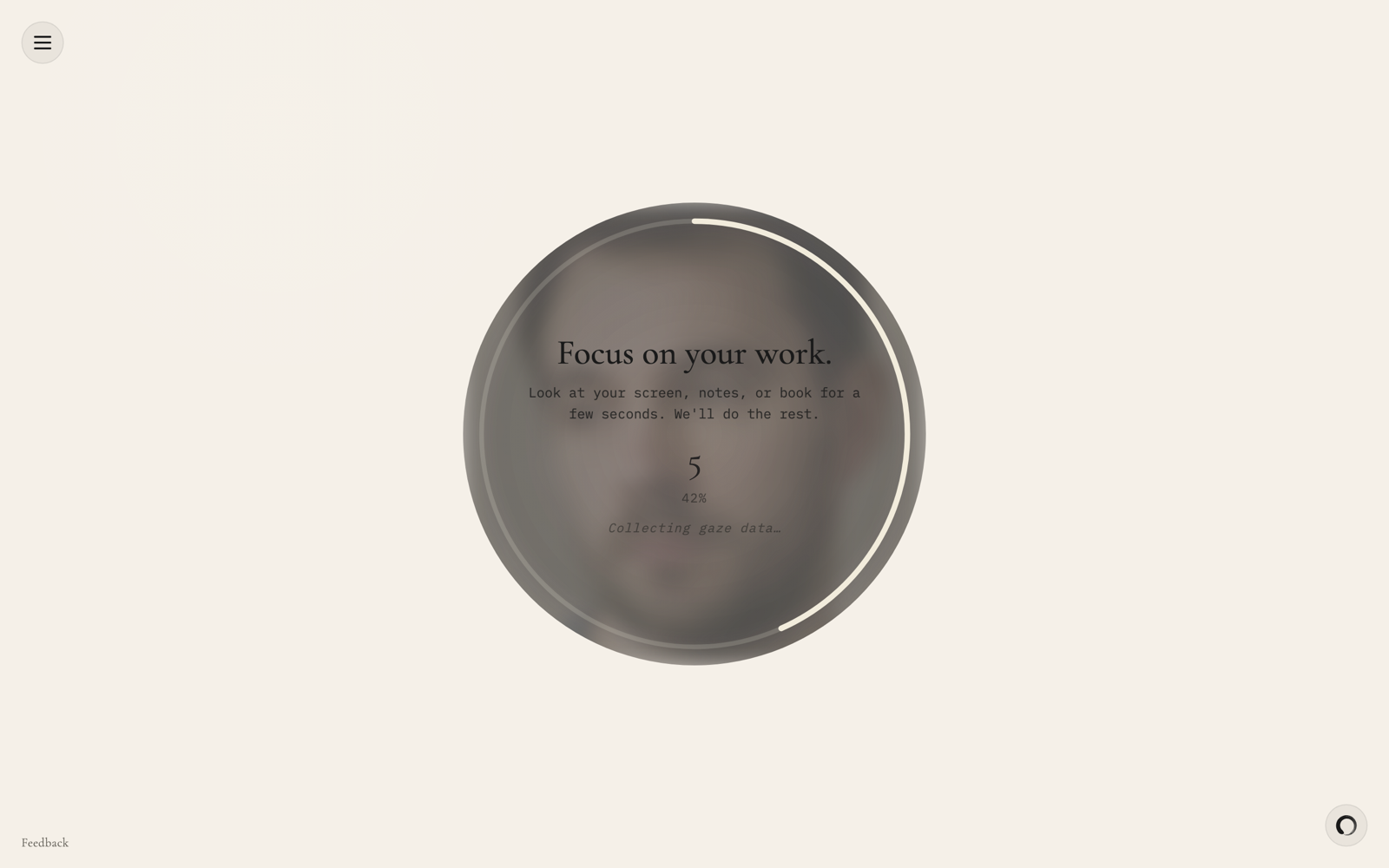
Two clicks: Focus Zen learns where your work lives — your screen or your book. Runs in your browser; nothing uploads.
02Work
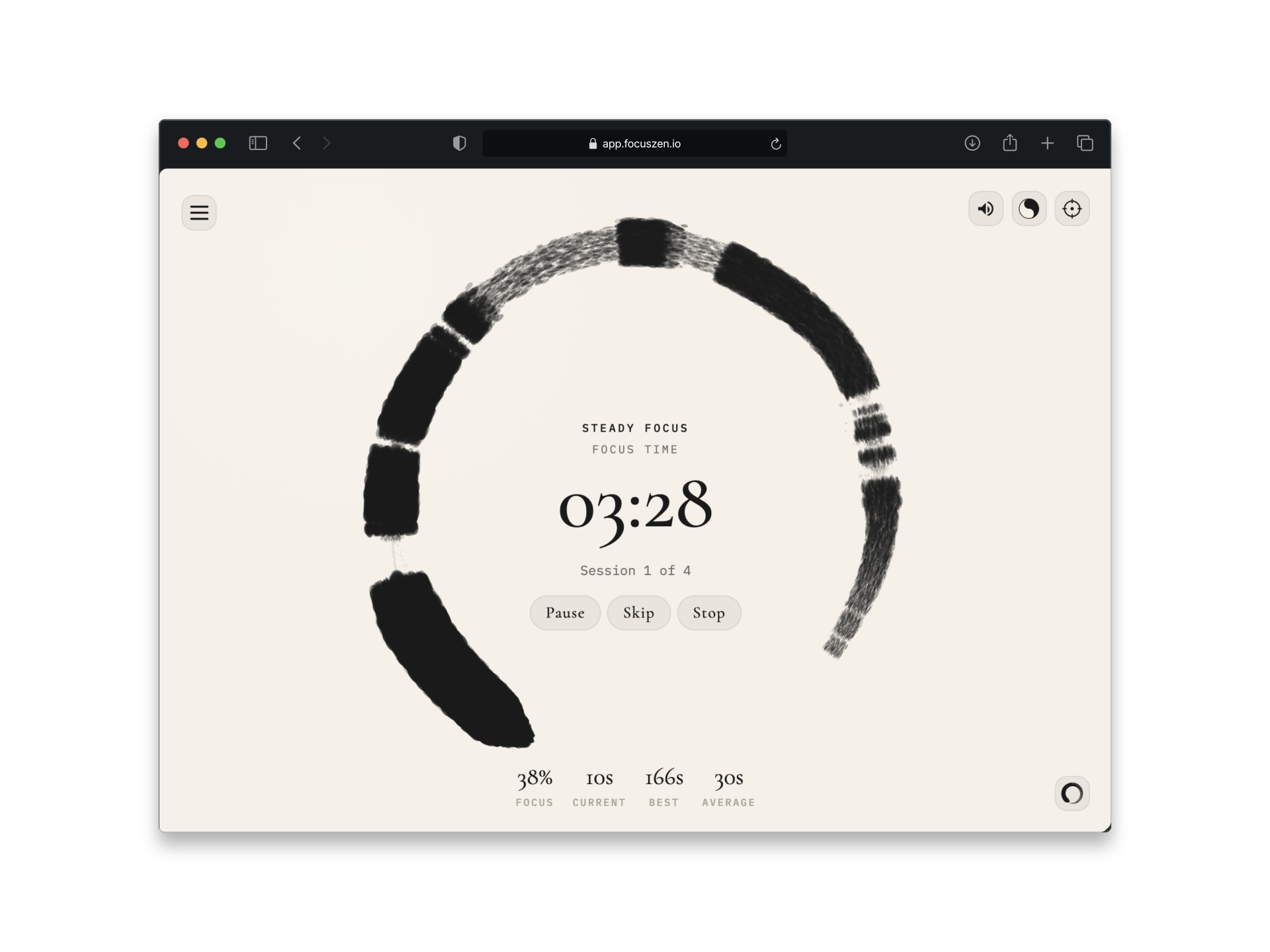
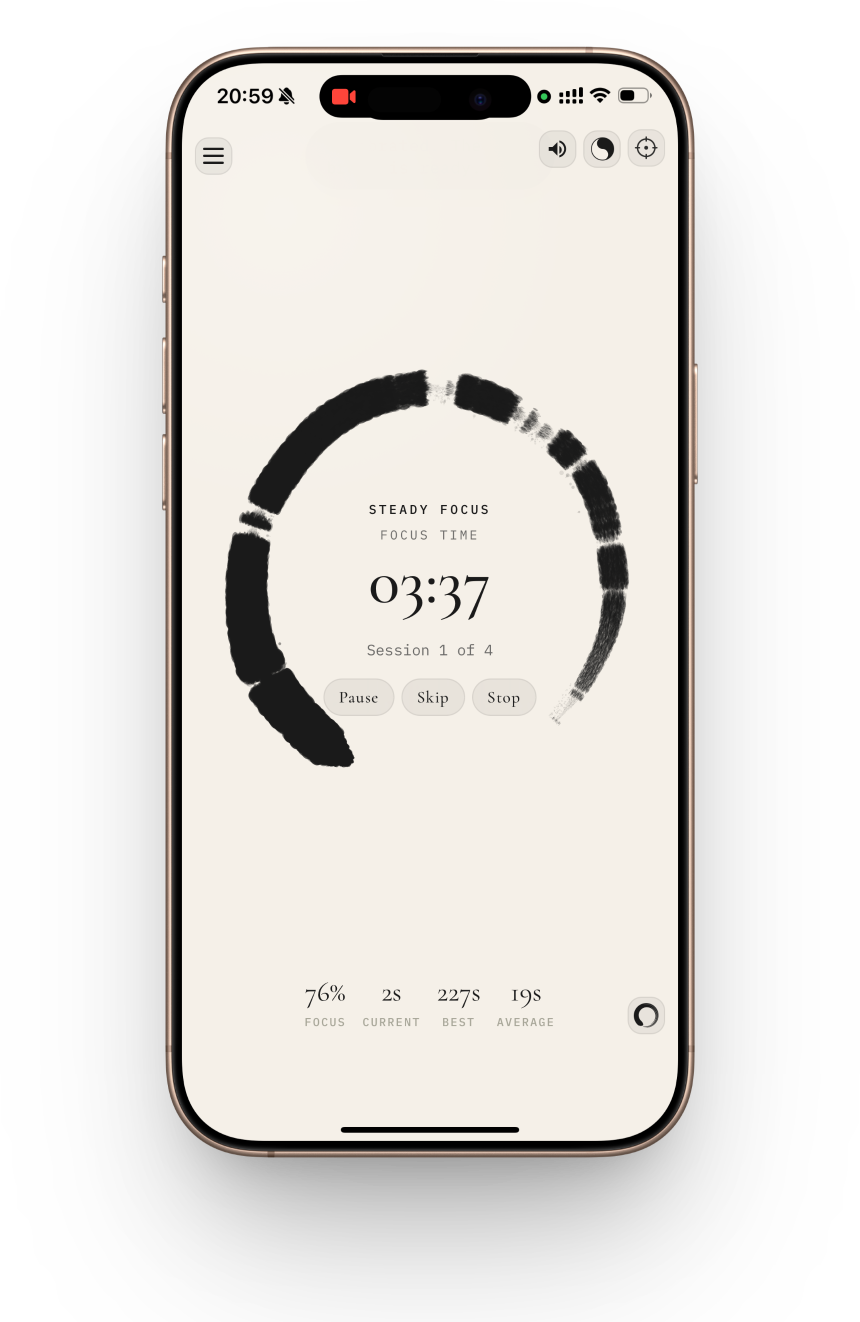
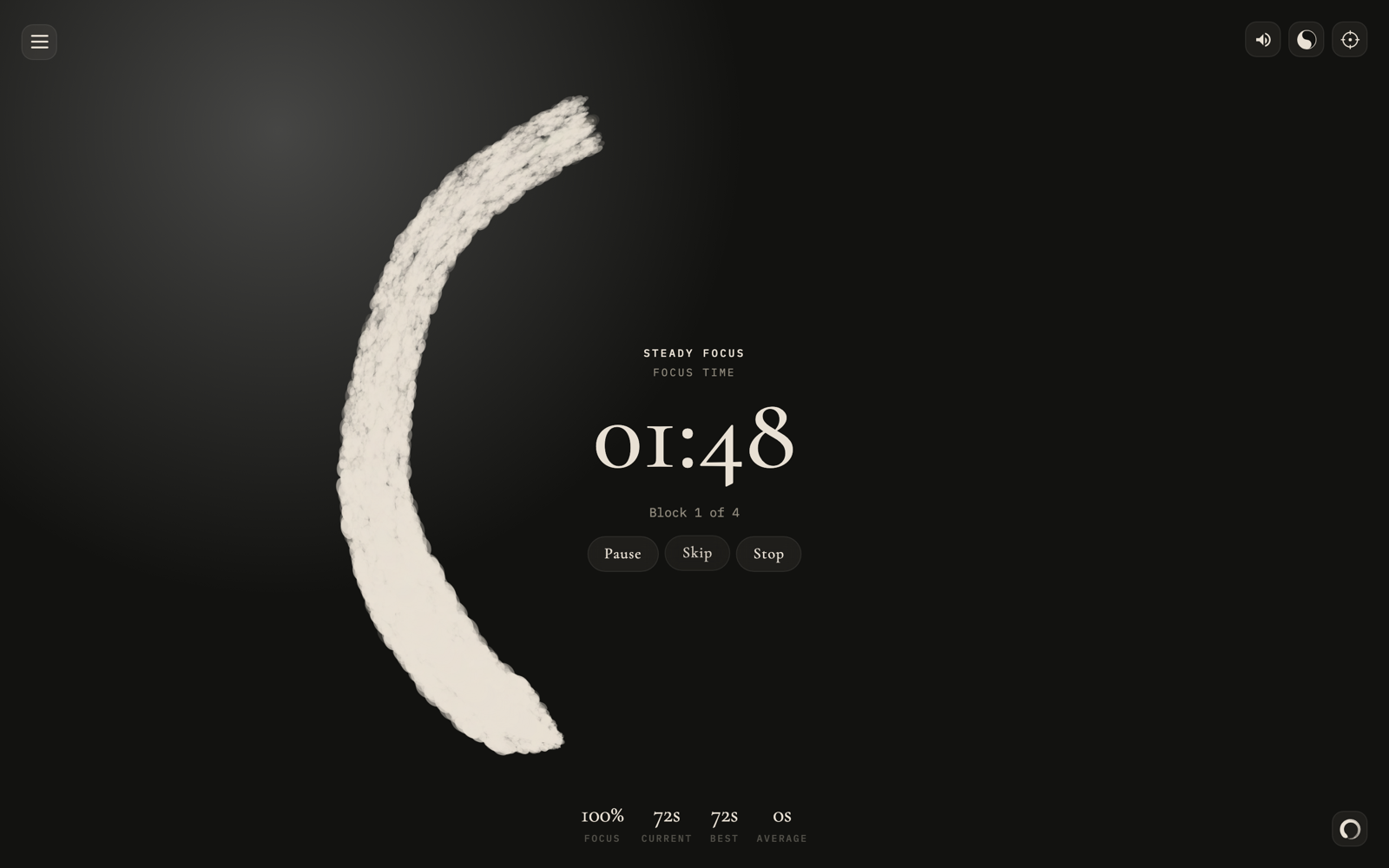
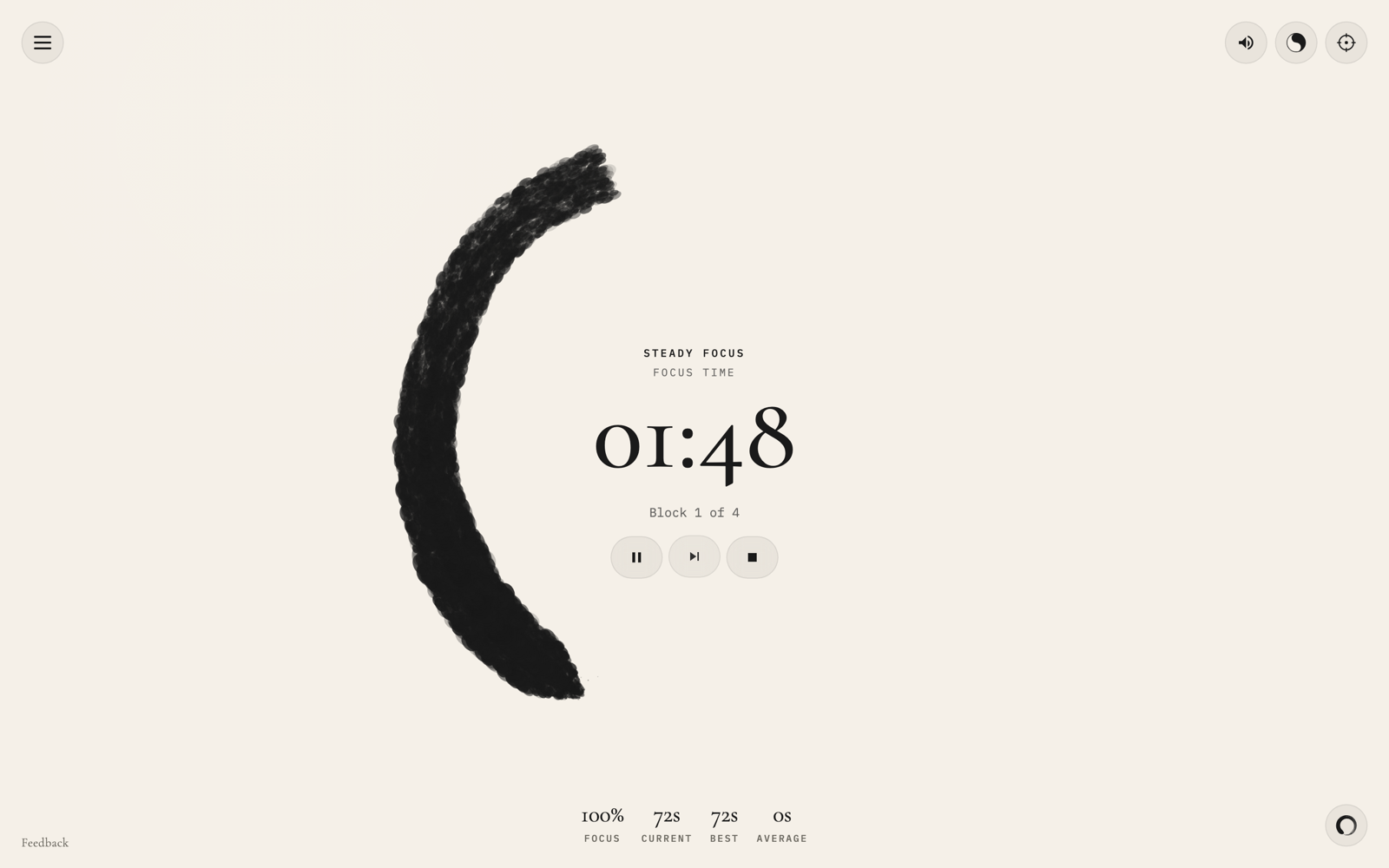
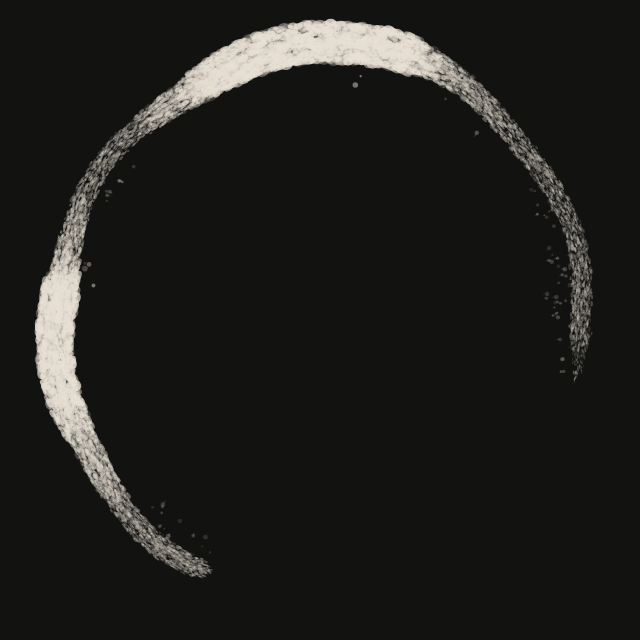
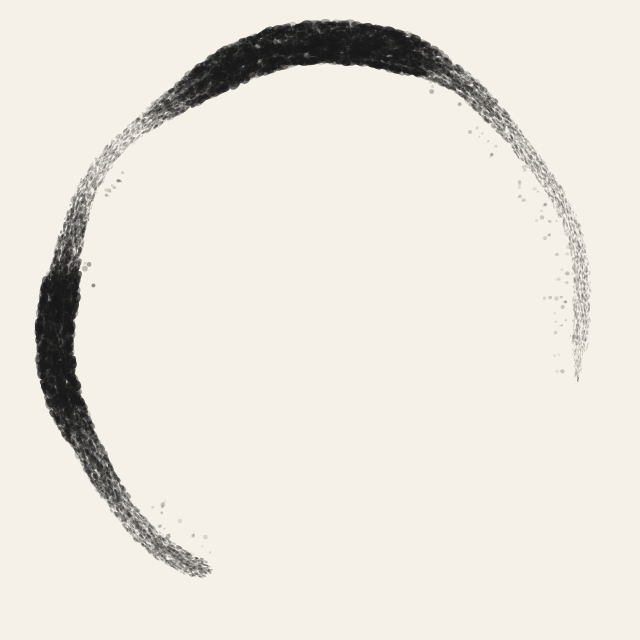
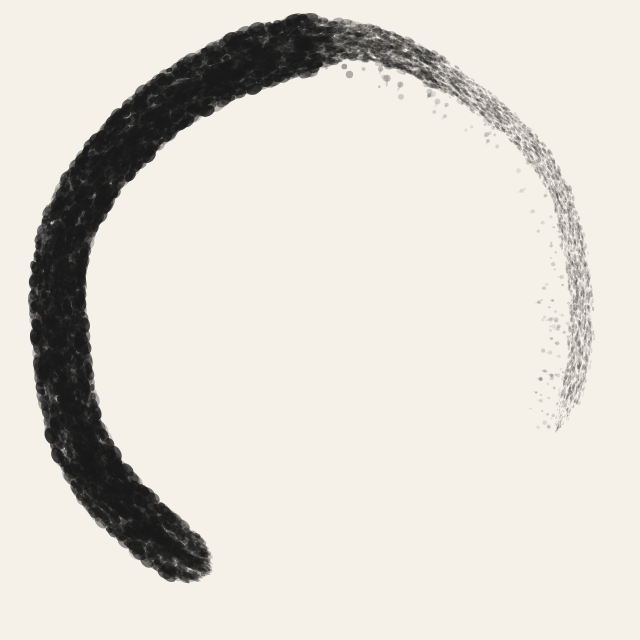
An ensō circle draws itself while you stay in. Your live focus curve runs beside it.
Focus Zen
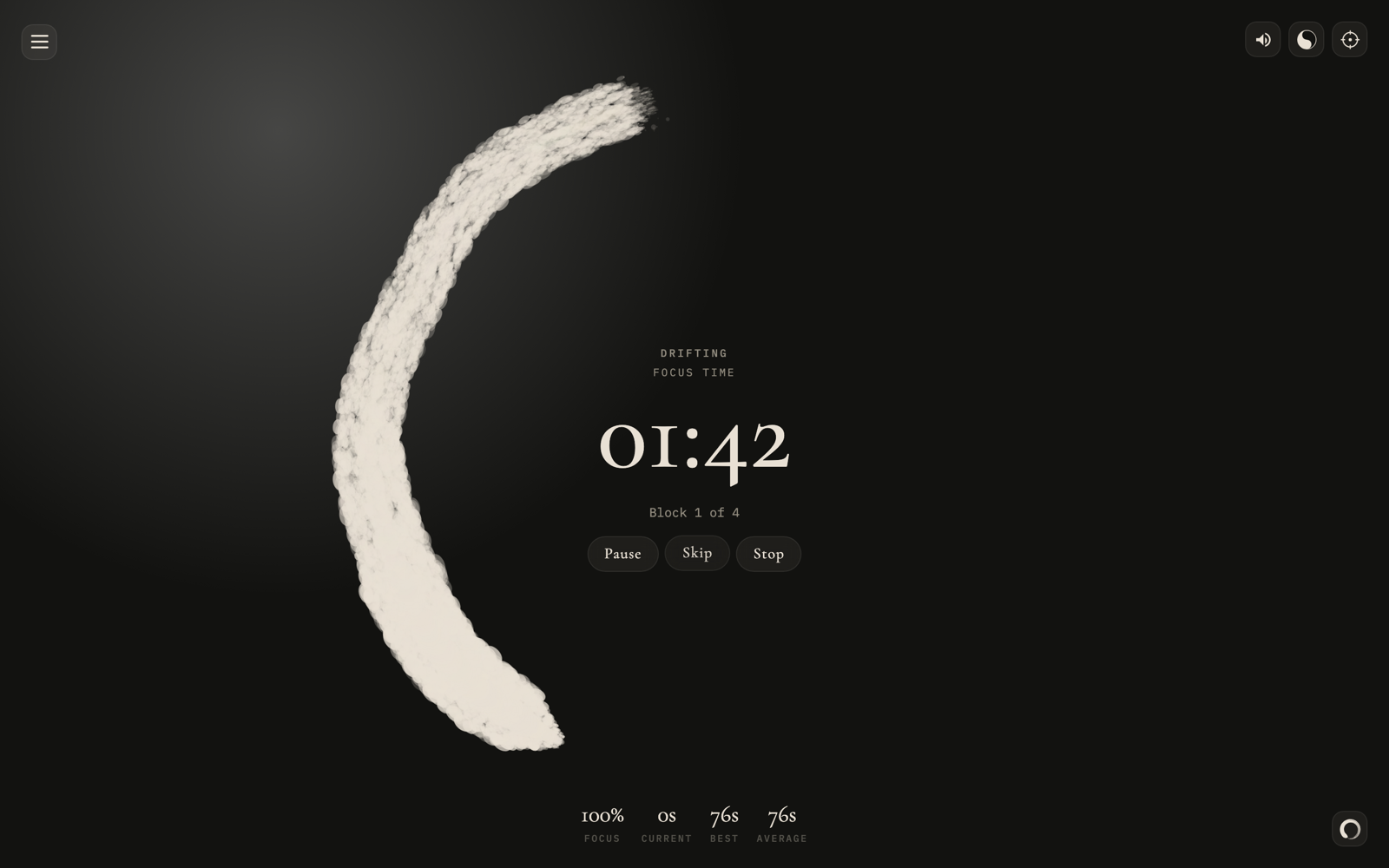
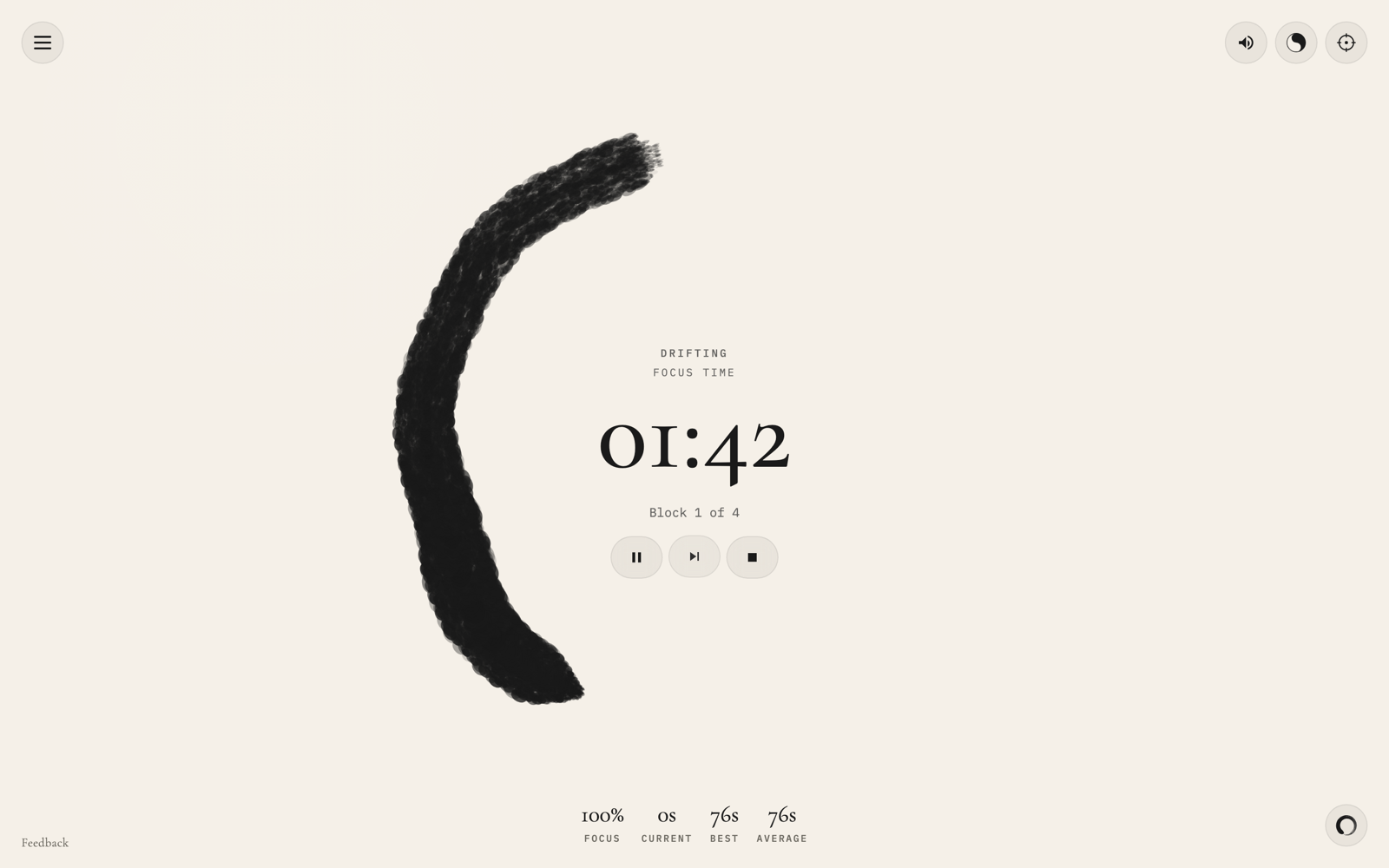
Drifting — come back to it.
03Get caught drifting
The moment your mind wanders, a soft sound and a notification bring you back — seconds after drift, not ~23 minutes later.
04Debrief
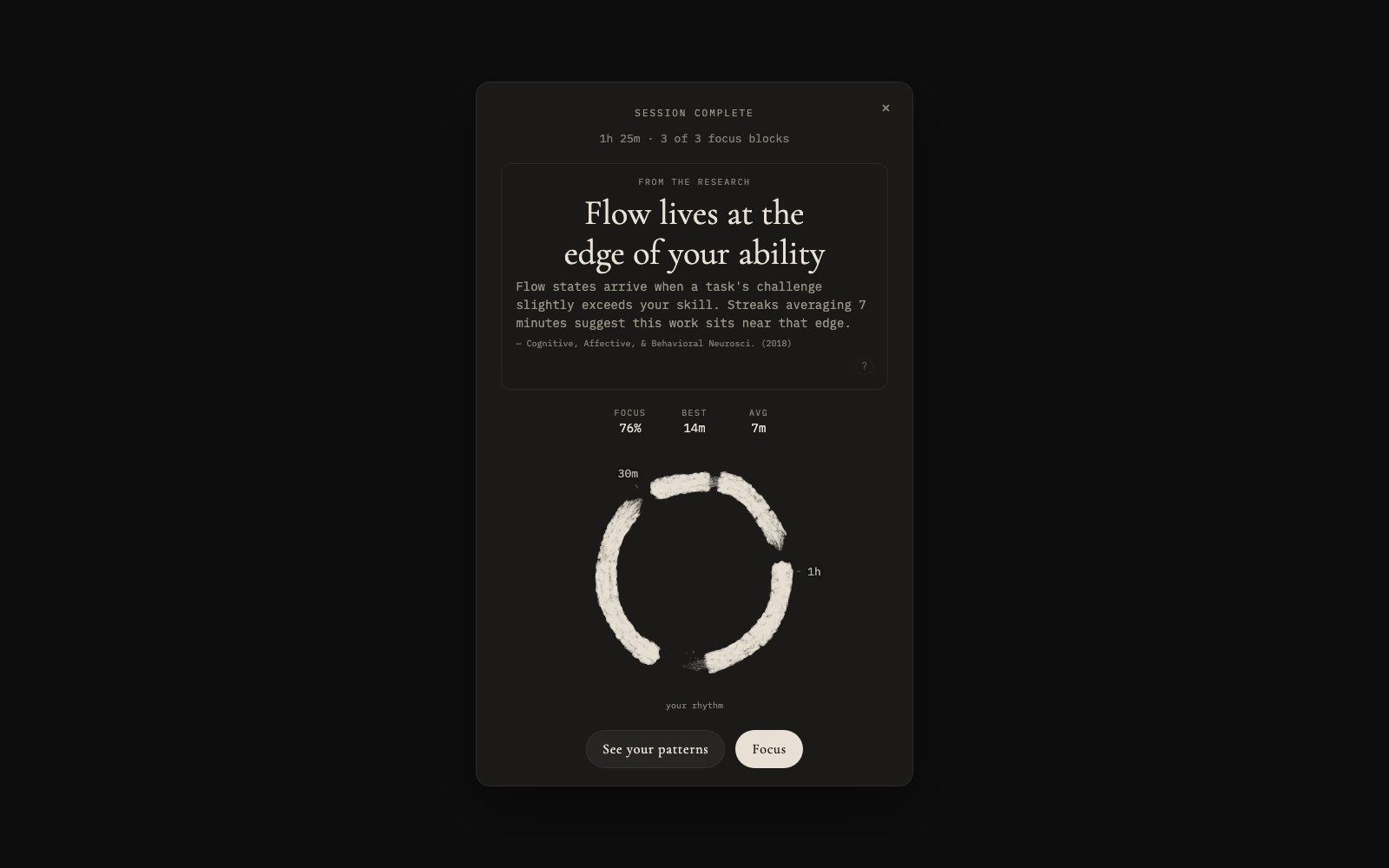
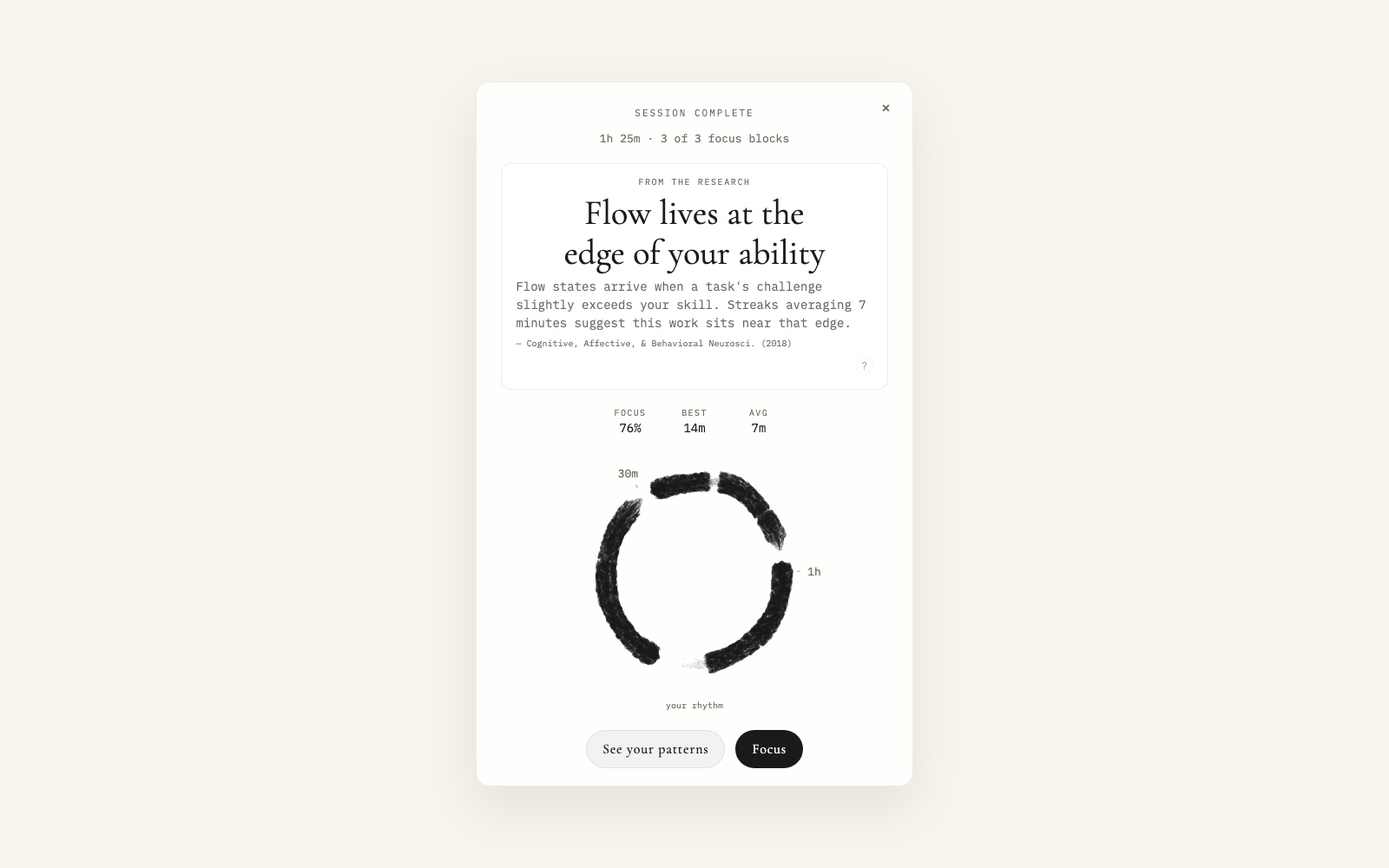
Focus %, drift count, longest streak — and the ensō your attention drew. Yours to keep or share.
Every session becomes memory
A single session shows you today — focus %, drifts, your rhythm. A week of sessions shows you you: which hours you’re focusable, what breaks you, what your best days have in common.

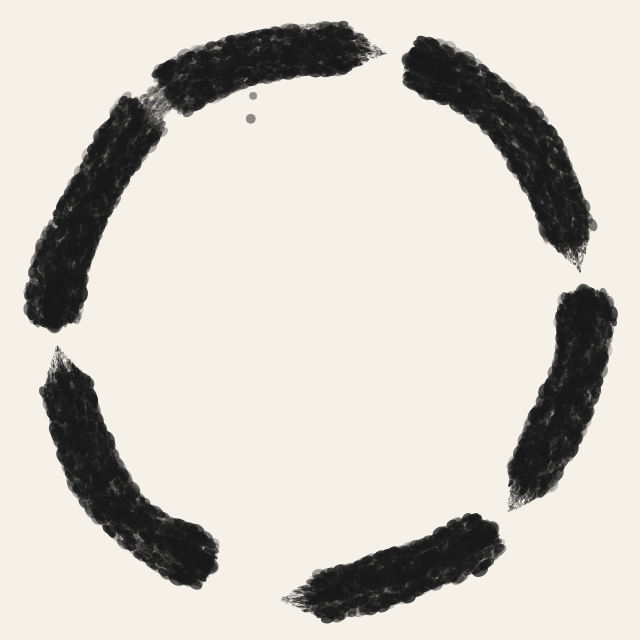

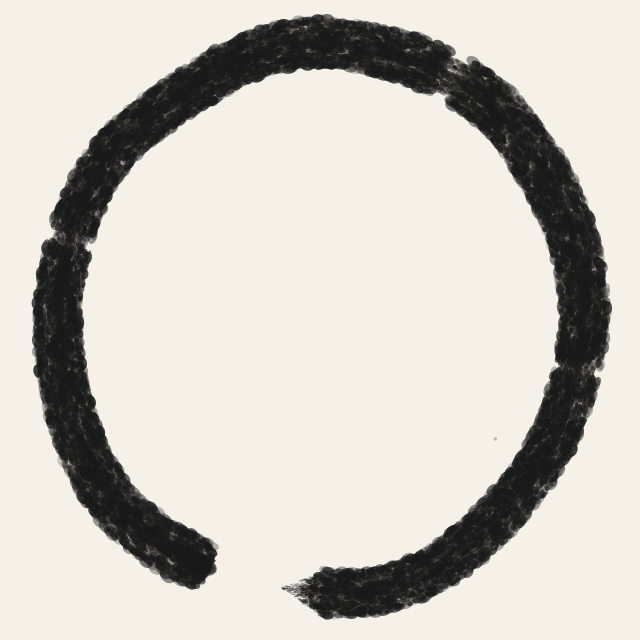

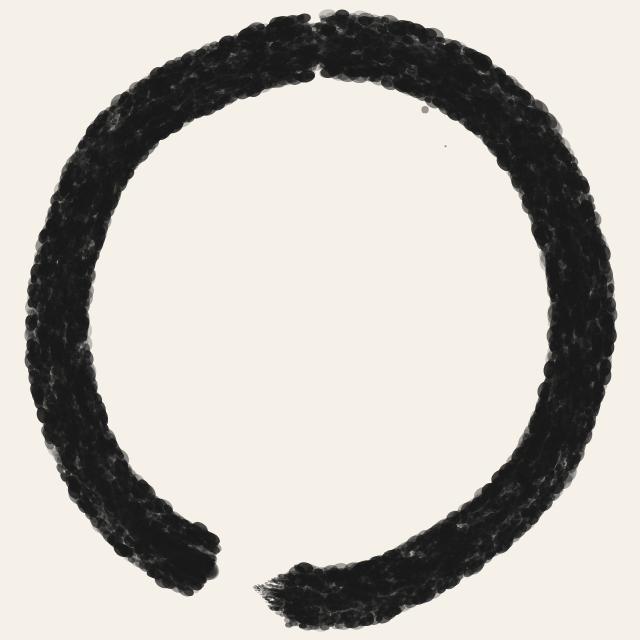
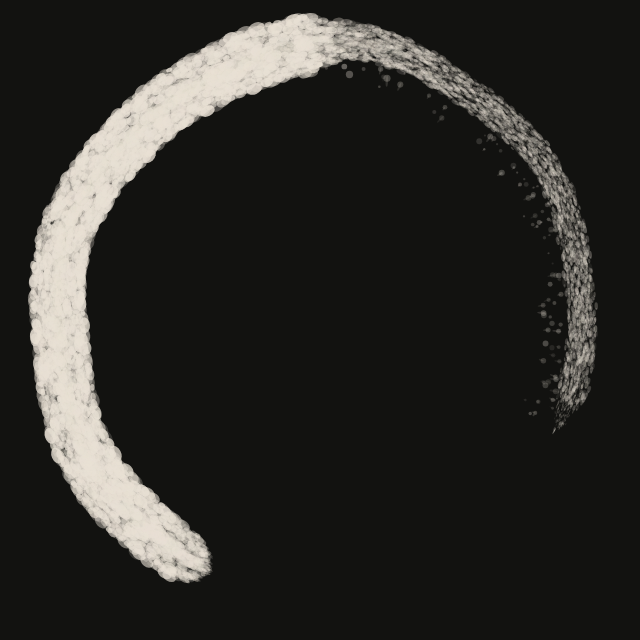
Your focusable hours
The hours your focus actually works — mapped from 30 days of your own sessions.
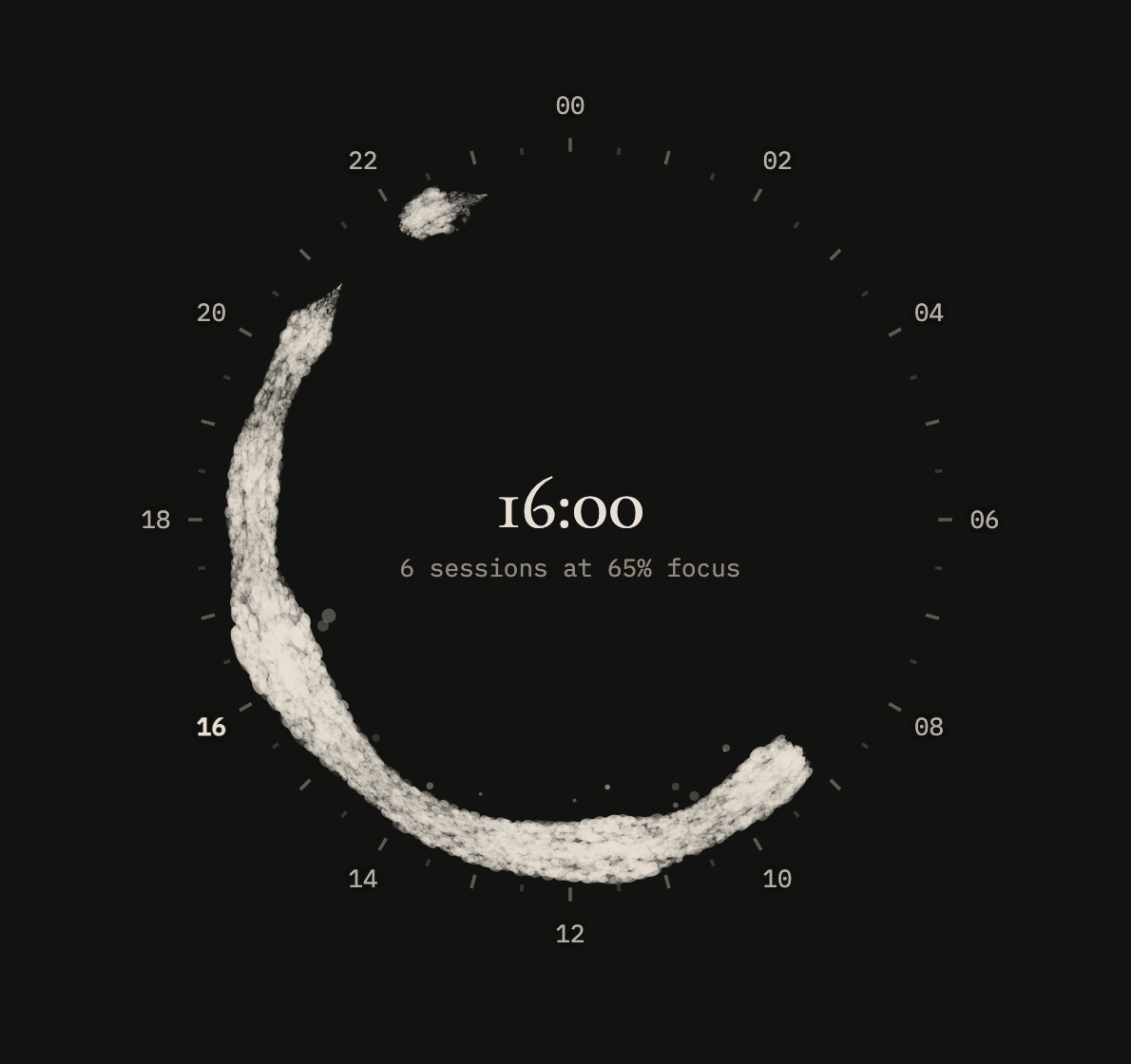
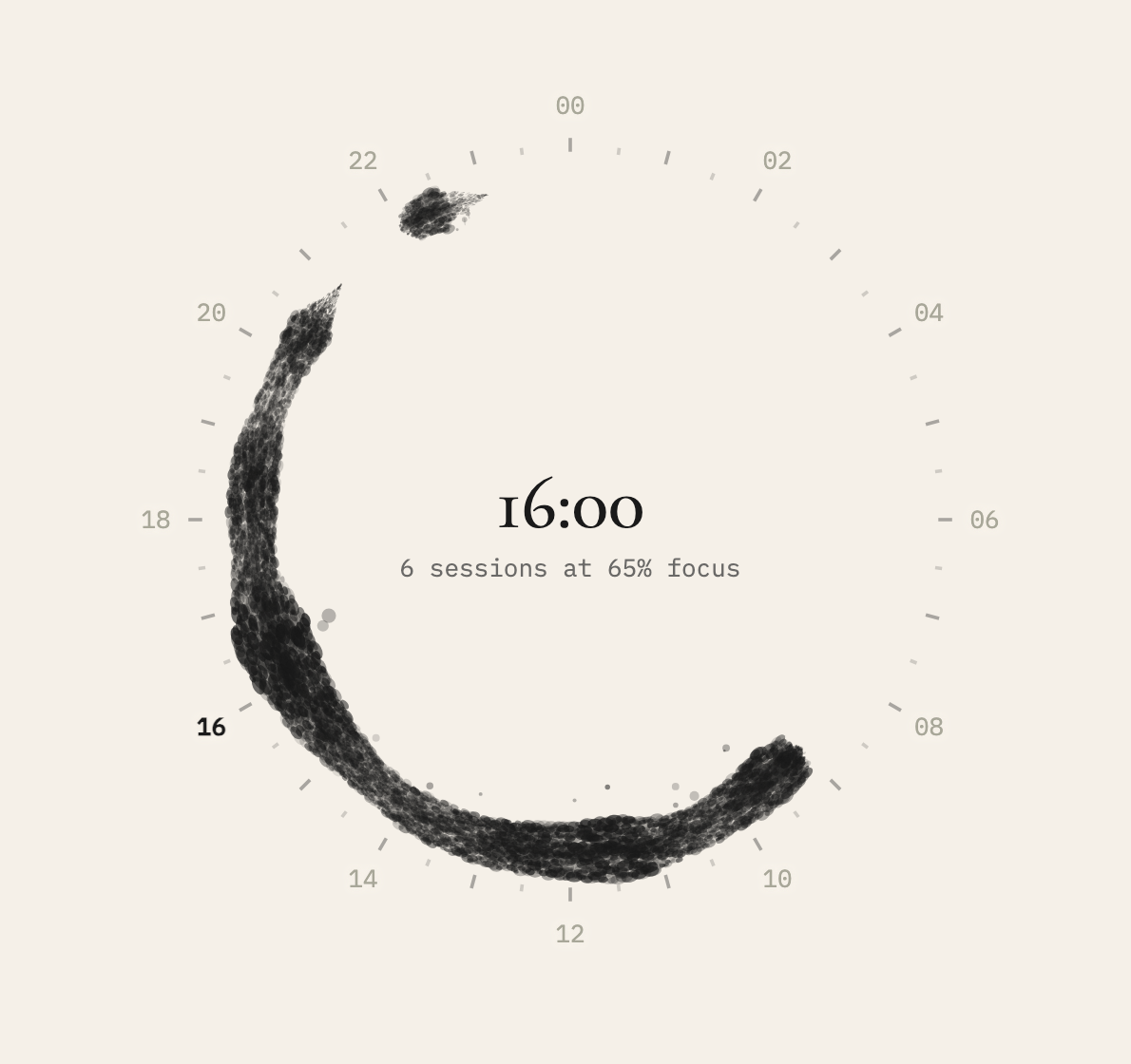
Free shows today’s session.
Premium remembers them all.
Why alternatives fail
Pomodoro timers don’t prevent distractions. App blockers don’t stop mind wandering. Here’s how active attention tracking compares.
| Feature | Focus Zen | Pomodoro timers | App blockers |
|---|---|---|---|
| Structures your work time | |||
| Notices when attention actually leaves the work | |||
| Removes app temptation | |||
| Time to catch a drift | Seconds — by design | When the timer rings | Never — it guards apps, not attention |
| Learns your personal patterns | Premium | ||
| Focus time reclaimed per week | ~2–5 h † | — | — |
† Estimate from published averages — mind-wandering occupies ~47% of waking hours (Killingsworth & Gilbert, 2010); an interruption costs ~23 minutes to refocus (Mark et al., 2008) — assuming ~2 h of deep work daily. Your first debrief shows your real number.
Pomodoro timers…
…count time. They can’t tell a focused 25 minutes from a distracted one. A timer that doesn’t see focus is just a clock.
App blockers…
…guard the wrong door. The distraction that costs the most isn’t an app — it’s the drift you never notice.
The Science Behind It
Every feature answers a documented failure mode of human attention.
“Attention is the last resource nobody measures. I built a tool that finally can — and made it private by architecture, because a mirror you don’t trust is useless.”
Simple, Transparent Pricing
Start free — no card, no trial countdown. Upgrade when you want your history. 14-day money-back guarantee on every paid plan.
Free
Everything you need to see today
- The 2-minute attention test — no account needed
- 5 camera sessions every week
- Full debrief after every session — stats, rhythm, your ensō
- Today's stats
- Unlimited zen pomodoro (camera-free)
No card. Free forever.
Early Bird
Support the development
70% off — planned list price: $150/year
- Everything in Premium
- Price locked forever
- First 200 supporters only
- Instant access — start today
14-day money-back guarantee. Cancel anytime.
Premium
For a memory of your attention
- Unlimited camera sessions
- Full history & session log
- Patterns & your focusable hours
- Records & consistency
- New insights as they ship
Every session you've already run lights up when you upgrade.
14-day money-back guarantee. Cancel anytime.
Student? $10/mo with a valid student email —
Private by architecture
The camera is the product’s eyes. Never ours.
Video never leaves your device
Frames are analyzed in your browser's memory and discarded. No upload path exists in the code.
Only numbers sync
Focus percentages and timestamps — that's all your account stores. Want it gone? One email, and it's deleted.
Don't take our word for it
Run a session with DevTools open: zero video requests. Anyone can verify this claim, in any browser, right now.